Loading...
Serving Blacksburg, VA and surrounding areas. (540) 418-8765
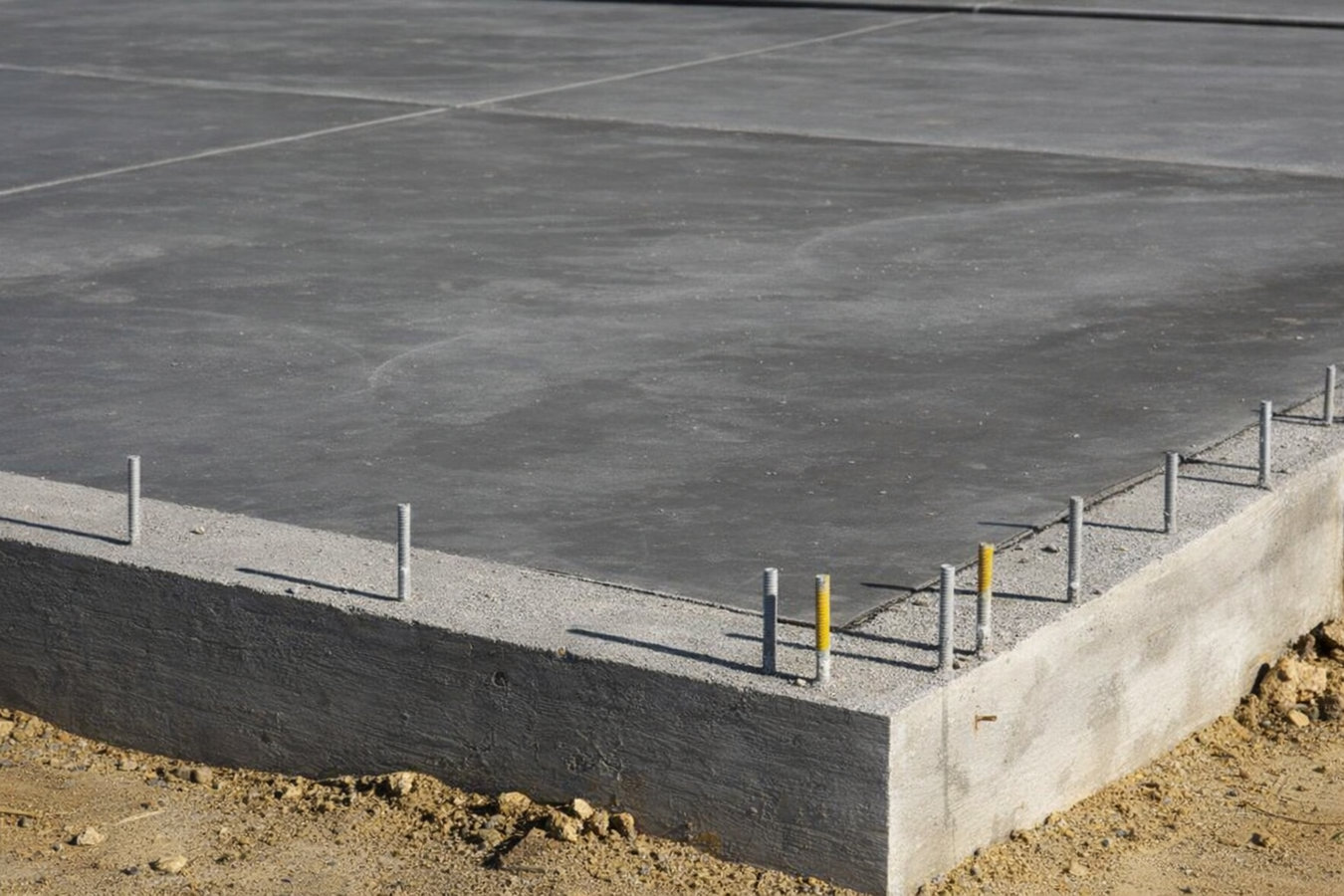
The wrong slab in Blacksburg will crack and shift within a few winters. Clay soils, freeze-thaw cycles, and sloped lots demand real site prep - not a shortcut. We build concrete slab foundations that start right and stay right.
Slab foundation building in Blacksburg means grading and compacting the site, installing a gravel drainage layer and moisture barrier, placing steel reinforcement, and pouring a single solid layer of concrete that becomes both the floor and the structural base - most residential projects take one to two weeks of active work, with roughly 28 days of curing time before the slab reaches full strength.
Whether you are building a new home, adding a garage, or converting a crawl space to usable floor space, the slab is the starting point for everything above it. In Blacksburg, the hilly terrain and clay-heavy soils mean the ground preparation stage is often more involved than homeowners expect - and what looks like a simple pour on a flat lot requires real engineering thought on a sloped one. Getting the drainage right from the beginning prevents the moisture problems and surface cracking that show up years later.
If your project also needs reinforced footings at the perimeter or under load-bearing walls, our concrete footings service handles that work as part of the same foundation scope - proper footing depth below the frost line is especially important at Blacksburg's elevation.
Small, hairline cracks in concrete are normal as it ages and settles. But if you are seeing cracks you can fit a coin into, or cracks that run diagonally from the corners of doors and windows, the slab beneath may be shifting. In Blacksburg's clay-heavy soils, this kind of movement is more common than in areas with stable, sandy ground - and it is worth having a professional assess whether repair or replacement is the right call.
When a slab shifts, the walls above it shift too - and one of the first things you will notice is doors and windows that used to move freely suddenly sticking or sitting crooked in their frames. This is especially worth paying attention to in older Blacksburg homes built in the 1970s and 1980s, when slab construction was common but soil prep standards were less rigorous than they are today.
Blacksburg gets around 40 inches of rain per year, and the area's clay soils do not drain quickly. If you see water consistently pooling against your foundation or seeping under a slab floor after heavy rain, the drainage around the slab is not working as it should. Left unaddressed, repeated moisture exposure weakens the concrete and the soil beneath it over time.
If you are starting a new construction project, you need a foundation before anything else can be built. A slab is often the right choice for Blacksburg properties where a basement is not practical due to slope or rock close to the surface. Without a proper slab, no structure above it will be stable or safe - and a rushed foundation creates problems that are expensive to fix later.
Every slab we pour starts with a site visit, not a phone quote - because in Blacksburg, the slope of your lot and the character of your soil directly shape how the job needs to be done. After assessing your site, we handle all grading and cut-and-fill work to create a level, stable base. We then install compacted gravel, a polyethylene moisture barrier, and steel reinforcing bars or wire mesh before the concrete goes in. For homes needing a structural base that goes deeper than the slab surface, our foundation installation service covers full concrete foundation walls, basement, and crawl space work as a separate but closely related scope.
We pull all required permits through the Town of Blacksburg or Montgomery County depending on your location, schedule the pre-pour inspection, and manage every stage through final walkthrough. The concrete mix we use is specified for the local climate - air-entrained to resist the freeze-thaw cycles Blacksburg sees every winter. After the pour, we apply a curing compound and advise on what timeline to expect before any construction above the slab can begin.
For homeowners building a new home, garage, or addition on a vacant or cleared lot - full site prep, forming, and pour included.
For Blacksburg's hilly terrain, using cut-and-fill grading and thickened edge design to create a stable level base on uneven ground.
For older homes converting a dirt-floor crawl space or unfinished area to a clean, usable slab floor - right-sized for the space and properly drained.
Blacksburg sits at roughly 2,100 feet in the Ridge and Valley region of the Appalachians, and that elevation brings two conditions that matter a great deal for concrete foundation work. First, the soils here have a notable clay content - clay expands when wet and shrinks when it dries out, and that constant movement puts stress on a slab that was not designed to account for it. Second, the town averages enough freeze-thaw cycles each winter that concrete poured without the right mix, or cured during a cold snap, can start showing damage by spring. Virginia Tech's influence on local housing demand also means contractors in Blacksburg book up faster in the spring building season than most homeowners expect - a factor worth planning around when scheduling foundation work. The Portland Cement Association maintains useful guidance on slab construction for challenging climates at cement.org.
We serve the full New River Valley and have regular work in Christiansburg and Radford, where the same Appalachian terrain, clay-heavy soils, and building permit requirements shape every foundation project. The site conditions across this part of Virginia are close enough that our process - and the questions we ask before quoting - stays consistent regardless of which town your project is in.
We reply within one business day. We will ask about the size and purpose of the slab, your lot, and whether there is existing concrete to remove. We do not quote from a phone call alone - Blacksburg lots vary too much for that to be reliable.
We visit your property, walk the lot, check slope and drainage, and assess the soil before putting a number on the job. You receive a written estimate that breaks down site prep, forming, concrete, and any permit fees separately so there are no surprises.
We handle the permit application through the Town of Blacksburg or Montgomery County. Once approved, we schedule the required inspection for the forming stage - before any concrete is poured - so the work is verified at the most critical point.
The crew completes forming and gravel work, concrete day is the active pour and finishing. We apply a curing compound and advise on the 28-day timeline. A final walkthrough confirms the surface, edges, and drainage before we close out the permit.
Free on-site estimate. We handle all permits and inspections. No commitment to call.
(540) 418-8765We do not quote slab foundation work over the phone. Every estimate starts with a walk of your specific lot - checking slope, drainage, and soil - because those site conditions directly affect what the job costs and how it should be done. You get a real number, not a ballpark.
We use air-entrained concrete mixes that resist the expansion-contraction damage freeze-thaw cycles cause. Blacksburg's elevation means more of these cycles per winter than most of Virginia. The right mix at the pour stage means the slab does not start showing damage after a few winters.
Town of Blacksburg and Montgomery County both require permits and pre-pour inspections for foundation work. We handle every application, schedule every inspection, and keep you informed at each stage. When the job is done, everything is properly documented - which matters when you sell.
The soils and terrain in the New River Valley present challenges that out-of-area contractors often underestimate. We have built slabs on sloped Blacksburg lots where significant cut-and-fill was required and on clay-heavy ground where drainage design was the most important part of the job. That experience is in our process, not just our sales pitch. The American Concrete Institute publishes technical standards for reinforced concrete construction at{' '}
The soils and terrain in the New River Valley present challenges that out-of-area contractors often underestimate. We have built slabs on sloped Blacksburg lots where significant cut-and-fill was required and on clay-heavy ground where drainage design was the most important part of the job. That experience is built into our process. The American Concrete Institute publishes technical standards for reinforced concrete construction that we reference in our mix and reinforcement decisions.
Every Blacksburg slab job we complete is permitted, inspected, and built with a mix and base preparation suited to the local climate. That combination of site-specific assessment and compliance with local requirements is what separates a foundation that lasts from one that needs work again in a few years.
Full concrete foundation walls for homes needing a basement or crawl space, built to handle Blacksburg's clay soil and frost depth requirements.
Learn MoreReinforced concrete footings that anchor your slab or structure below the frost line, sized correctly for Montgomery County soil conditions.
Learn MoreSpring books fast in the New River Valley - reach out now and we will schedule your free on-site estimate before the busy season fills up.