
Loading...
Serving Blacksburg, VA and surrounding areas. (540) 418-8765
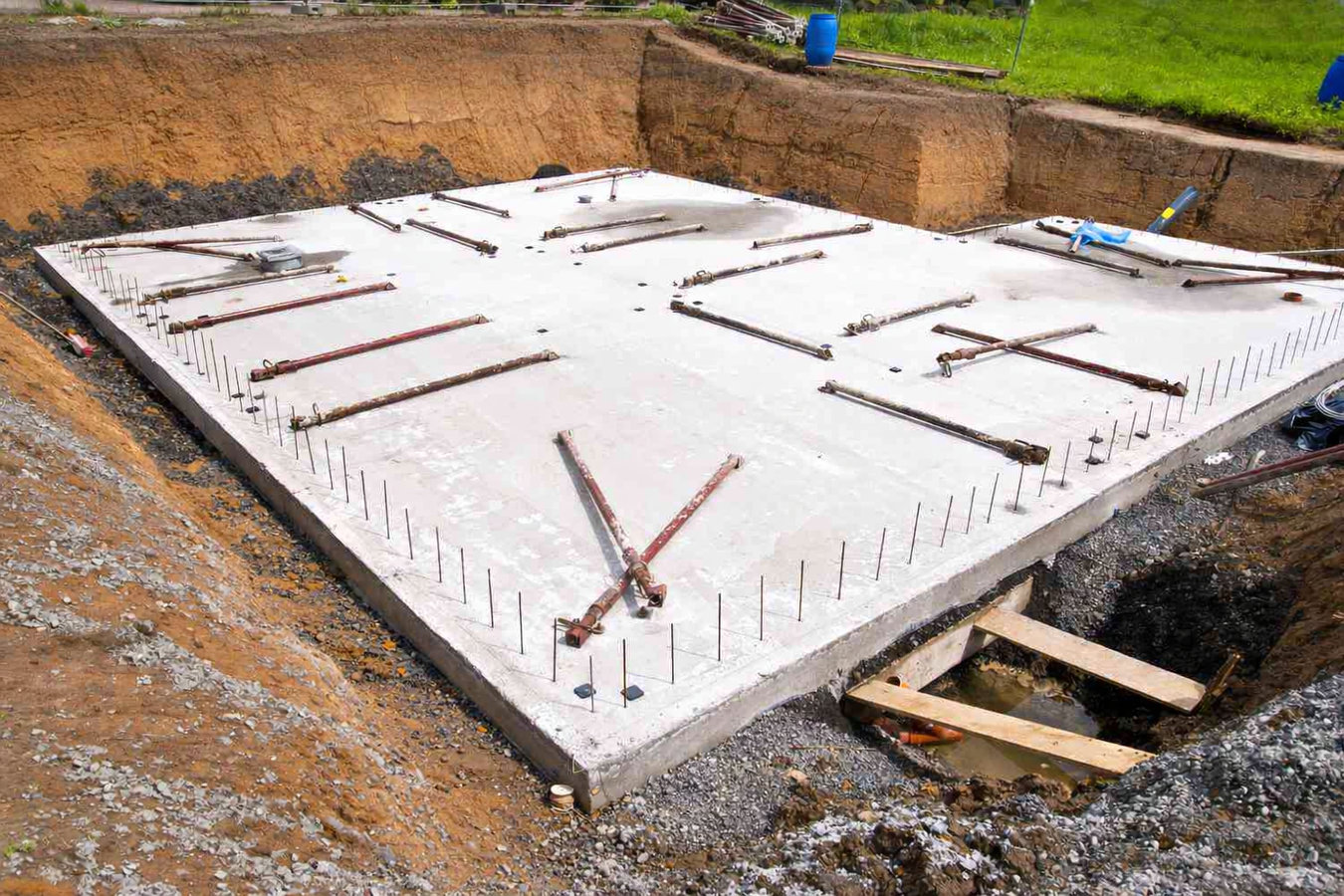
Shallow footings heave. Blacksburg winters are hard on anything that was not poured deep enough. We dig below the frost line, place rebar, and pour footings that stay put - for decks, porches, additions, and structural columns. Permits and inspections handled.
Concrete footings in Blacksburg are reinforced pads poured below the 18-inch frost line, giving deck posts, porch columns, and addition walls a stable base that Blacksburg's freeze-thaw cycles cannot push out of position - most residential jobs take one to three days of active work plus a permit-required inspection before the concrete is poured.
Think of a footing as the flat base of a table leg - without it, the weight above has nowhere to spread, and things sink or shift. In Blacksburg, the challenge is that the ground freezes every winter. A footing poured too shallow gets pushed up by the expanding soil and takes the structure above with it. Over a few winters that movement cracks decks, separates additions from main houses, and causes doors to stick. It is a slow problem that looks small at first and becomes expensive quickly.
For new construction projects where footings are just the starting point, our foundation installation service handles the full below-grade structure - the logical next step when your project needs more than post footings.
If your deck feels springy underfoot, or if one corner has dropped lower than the others, the post footings underneath may have shifted. In Blacksburg, this often happens when footings were poured too shallow and years of freeze-thaw cycles have slowly pushed them out of position. This is a safety issue, not just a cosmetic one - a leaning deck can fail under load.
Any new structure attached to your home needs proper footings before framing can begin. If you are getting quotes for a deck or addition and a contractor does not mention footings or a permit, ask directly - skipping this step is how additions end up settling and cracking within a few years.
Horizontal or stair-step cracks in a foundation wall, or cracks running across a concrete floor, can signal that the footings below are moving. In Blacksburg's rocky, variable soil, uneven settling is more common than in areas with uniform soil. Cracks that are growing or that appeared after a wet winter are worth having a professional assess.
Many homes near Virginia Tech were added onto in the 1970s and 1980s, sometimes without permits or with footings that did not meet current depth standards. If a room addition feels noticeably different from the rest of the house - floors that slope, doors that stick, gaps at the ceiling - the footings under that addition may be the cause.
We start every footing project with a site visit. Blacksburg's rocky subsurface - limestone, shale, and sandstone beneath much of the Ridge and Valley region - means conditions can vary significantly between neighboring properties. A site visit lets us assess what we will likely find underground and give you a written estimate that accounts for it. From there, we call 811 to have utilities marked, excavate to below the frost line, place rebar inside the forms, and pour in a single continuous pour. A Town of Blacksburg building inspector checks the depth and reinforcement before any concrete goes in - a step that protects you by creating an official record of the work.
For homeowners with older additions near the Virginia Tech campus, we also assess whether existing footings from a previous project are still doing their job or need to be supplemented before any new construction begins. If your project requires broader structural work, our foundation raising service addresses situations where an entire foundation section has settled. The Portland Cement Association maintains detailed guidance on concrete design and curing at cement.org.
For new deck or porch construction - individual post footings dug to frost depth, reinforced, and poured to support the framing above.
For room additions and attached structures - continuous or spread footings designed to carry the load of walls and the floors above them.
For older homes with existing footings that may be failing - honest evaluation of what is there and what needs to change before new construction begins.
Blacksburg sits at about 2,000 feet in the New River Valley - an elevation that brings colder winters and more freeze-thaw cycles per year than much of Virginia. The frost line here runs roughly 18 inches deep, meaning footings have to be dug well below that point to avoid the heaving that displaces shallow pours year after year. The underlying geology adds another layer of complexity. The Blacksburg area is in the Ridge and Valley physiographic province, where rock sits closer to the surface than most homeowners expect. Hitting limestone or shale a foot down when digging for a deck footing is not unusual, and it requires different equipment and changes the project cost. A contractor who has not worked in this terrain may not account for it upfront. Parts of Montgomery County also sit on karst limestone, which can have underground voids - a condition worth discussing with a local contractor before any major footing work on certain properties.
We complete footing work across the New River Valley, with regular projects in Christiansburg and Covington. The same frost depth requirements and rocky subsurface conditions apply throughout this region, and we factor them into every estimate.
We schedule a time to walk your property - 20 to 45 minutes to look at the work area, assess access for equipment, and get a sense of what may be underground. You will receive a written estimate within one business day that covers the number of footings, depth, reinforcement, and what happens if rock is encountered.
We apply for the Town of Blacksburg building permit and coordinate the pre-pour inspection. Permit approval typically takes a few business days to two weeks depending on the season. You do not need to manage this yourself - we handle it and build the timeline into your project schedule.
We call 811 before any digging so underground utilities are marked. The crew excavates to the required depth below the frost line, sets forms, and places rebar. A building inspector then checks the work before any concrete is poured - this takes less than an hour and is a normal part of the process.
After the inspection is approved, we pour the concrete in one continuous pour, level the tops, and protect the work from any cold-weather risk. Keep foot traffic off for 24 to 48 hours and avoid loading the footings for at least a week. Your contractor coordinates any final inspection before framing begins.
Free on-site estimate. Permits and inspections handled. No phone quotes.
(540) 418-8765Blacksburg's frost line sits around 18 inches, and we dig every footing to clear that depth. It is not optional in this climate - it is the difference between a deck that stays level and one that heaves and cracks after a few hard winters. We do not negotiate on depth to come in at a lower number.
The limestone and shale beneath much of Blacksburg can turn a straightforward dig into a half-day jackhammer job. We walk every site before quoting so that what you agree to reflects what we expect to find underground. A phone estimate in this terrain is not reliable enough to be worth giving.
Town of Blacksburg building permits and pre-pour inspections are required for footing work, and we handle all of it. When the job is done, there is a documented inspection record on file. That matters when you refinance or sell - permitted work does not raise questions, unpermitted work does. Virginia contractor licensing is verified through the state's DPOR system at dpor.virginia.gov.
A significant share of Blacksburg's housing stock was built in the 1960s through 1980s when Virginia Tech was growing fast. Additions from that era were sometimes built without permits or to shallower footing standards. We assess what is already there before pouring anything new, so a new addition is not resting on a footing that cannot support it.
From the site visit through the final inspection, every footing project we take on is built to stay put through Blacksburg winters. The goal is a foundation under your deck or addition that you never have to think about again.
When an existing foundation has settled or shifted, raising and stabilizing it corrects the damage before it affects the rest of the structure.
Learn MoreFull poured concrete foundation walls for new home construction - the next step up from footings when your project needs full below-grade structure.
Learn MoreSpring is the busiest season for concrete work in the New River Valley - reach out now to keep your deck or addition project on schedule.